
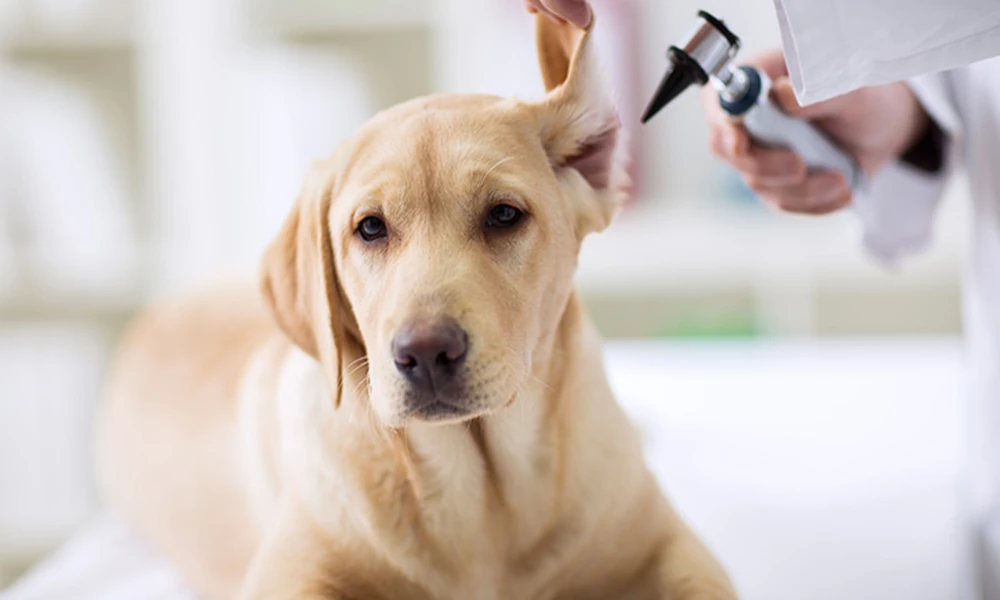
You might not think much about an animal hospital until the moment you need one, and when that moment comes, it often comes fast. A limp that was not there yesterday. A dog that stops eating. A cat that hides longer than usual. In those quiet but tense moments, you are not just looking for treatment. You are looking for reassurance, clear answers, and a place that understands your pet is part of your family. That is why finding a trusted veterinarian in Surrey, BC can make all the difference.
That is why The Vital Role Of Animal Hospitals In Community Pet Care matters so much. Animal hospitals do far more than respond to emergencies. They help prevent illness, support routine wellness, guide families through hard choices, and strengthen public health across the whole community. When pets get steady care, families feel more secure, and neighborhoods become safer and healthier too.
Why Do Animal Hospitals Matter So Much To Everyday Pet Care?
It is easy to think of an animal hospital as a place you visit only when something goes wrong. But that view misses the larger picture. A strong community pet care system depends on regular veterinary support, from vaccines and checkups to dental care, parasite prevention, and early diagnosis.
Why does that matter? Because pets often hide pain. By the time symptoms are obvious, a small issue may have turned into a larger one. A simple skin irritation can become an infection. Mild weight loss can point to a deeper illness. A yearly exam can catch those changes before they grow harder and more costly to treat.
Animal hospitals also help protect people. The Centers for Disease Control and Prevention explains that healthy pets and healthy people are closely connected through shared environments, daily contact, and disease prevention. You can learn more through the CDC’s guidance on healthy pets and how they support household health. That connection is especially important in homes with children, older adults, or anyone with a weaker immune system.
So, where does that leave you as a pet owner? It means routine care is not extra. It is part of responsible pet ownership, and it is one of the clearest ways an animal hospital supports both individual families and the wider public.
What Problems Can Grow When Pet Families Delay Care?
Sometimes delay happens because life is busy. Sometimes it is cost. Sometimes it is fear of hearing bad news. All of that is human, and all of it is common. But delayed care often creates a painful cycle. The longer a problem goes unchecked, the more serious it may become, and the more stressful the next step feels.
Think about a dog with repeated ear infections. At first, it may seem manageable with home cleaning or online advice. But if the root cause is allergies, mites, or bacteria, the pet may keep suffering while the condition worsens. Or picture a cat who is drinking more water than usual. That can seem minor until testing reveals kidney disease or diabetes. Early care often means more options, lower cost, and less discomfort for your pet.
There is also the issue of emergencies. Many families are unsure where to turn when a pet suddenly collapses, eats something toxic, or struggles to breathe. The FDA offers helpful guidance on who to call during a pet emergency, which can save precious time when every minute counts.
Beyond individual cases, animal hospitals support a broader pet health care network. They educate owners about zoonotic disease prevention, safe feeding, and sanitation. The CDC also provides practical information about pets and animals, including disease prevention and safe daily care. When families have access to good veterinary guidance, the whole community benefits.
How Do Animal Hospitals Compare To Waiting, Guessing, Or Home Treatment?
When money is tight or symptoms seem mild, it can be tempting to wait and see. Sometimes that works out. Often, though, waiting creates more stress and higher costs. A simple comparison makes the tradeoffs easier to see.
| Approach | Short Term Effect | Possible Risk | Community Benefit |
|---|---|---|---|
| Routine animal hospital visits | Early detection, vaccines, preventive care | Upfront cost and time commitment | Better disease control and safer pet populations |
| Waiting for symptoms to worsen | Avoids immediate appointment cost | Higher treatment cost, more pain, fewer options | Greater risk of untreated contagious illness |
| Home remedies without veterinary advice | Feels convenient and fast | Wrong treatment, delayed diagnosis, toxic exposure | Less reliable prevention and education |
| Community outreach veterinary clinics | Improved access for underserved families | May not replace full hospital services | Stronger local support and earlier intervention |
That last point matters more than many people realize. Outreach care can help bridge access gaps and connect more families to regular treatment. Texas A&M has highlighted how primary care outreach clinics expand veterinary access for communities that may otherwise struggle to get care.
What Can You Do Right Now To Support Your Pet’s Health?
1. Build a care baseline. Schedule regular wellness visits, keep vaccine records in one place, and track changes in eating, drinking, weight, and energy. Pets age quickly, and small notes from home can help a veterinary team spot patterns early.
2. Prepare before an emergency happens. Know the nearest animal hospital, save the phone number in your contacts, and keep a list of any medications your pet takes. If your pet has a crisis at night or on a holiday, you will not want to start searching under pressure.
3. Ask better questions, not fewer questions. If a treatment plan feels confusing, ask what the diagnosis means, what happens if you wait, what warning signs to watch for, and what lower cost options may exist. Good care is not just about medicine. It is also about clear communication that helps you make sound choices.
What Does Better Community Pet Care Really Look Like?
It looks like fewer preventable emergencies, earlier treatment, and families who do not feel alone when something changes with a pet they love. It looks like children learning safe pet habits, neighbors understanding the value of vaccines and parasite control, and pet owners having a trusted place to turn before a problem becomes a crisis.
The role of animal hospitals in community pet care is simple to understand once you have lived it. They are not only treatment centers. They are anchors for prevention, education, and peace of mind. If your pet is due for a checkup or something feels off, now is a good time to reach out and take the next step toward steady, informed care.