
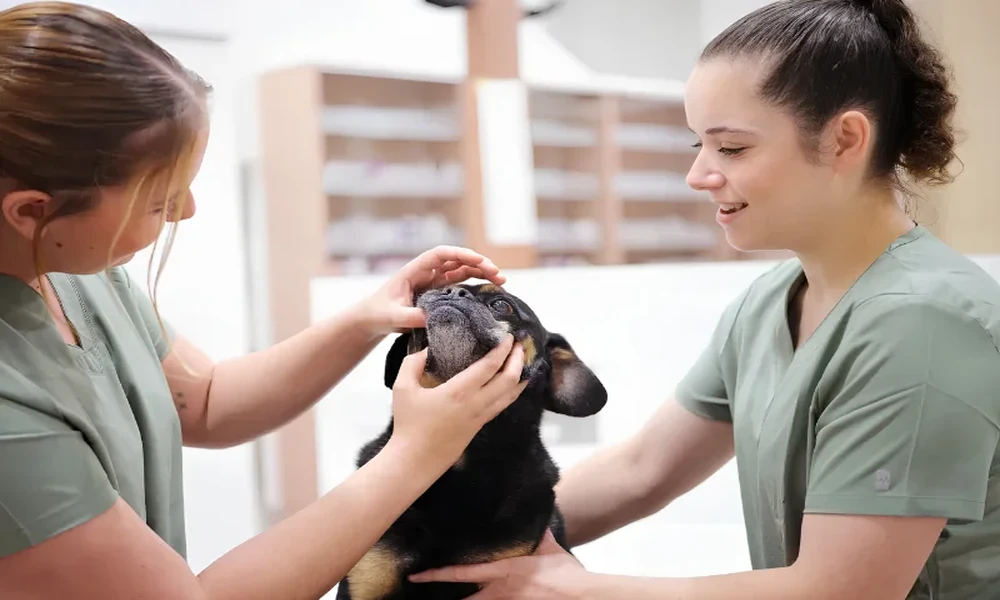
You might be feeling that awful mix of fear and urgency that comes when your pet is suddenly not acting like themselves. One minute things seem normal, and the next, your dog cannot stand, your cat is breathing hard, or your pet has eaten something they should not have touched. In moments like that, it is hard to think clearly, and even harder to know where to go first. That is where an Acworth veterinarian and veterinary hospitals matter most. They do far more than offer routine checkups. They are often the place where fast decisions, trained teams, and around the clock support can protect your pet when every minute feels heavy.
If you want the short answer, it is this. The role of veterinary hospitals in emergency care is to assess urgent problems quickly, stabilize pets in crisis, provide advanced treatment, and keep care moving when a case becomes serious. A strong animal emergency hospital is built for those moments when your regular plan no longer fits what is happening in front of you.
Why do veterinary hospitals matter so much when an emergency happens?
When a pet has an emergency, the first need is not always a final diagnosis. Often, the first need is stabilization. That can mean oxygen for a pet struggling to breathe, pain control after trauma, fluids for shock, or immediate monitoring after a seizure. Veterinary hospitals are set up for this kind of response in a way that a standard clinic may not always be, especially after hours or during severe cases.
Because of this, you might wonder what makes one hospital different from another. The answer usually comes down to staffing, equipment, and readiness. Emergency and critical care teams are trained to sort cases by urgency, which means they can decide who needs help first and what cannot wait. That system can feel stressful in the waiting room, especially if your pet is not seen the second you arrive, but triage is there to protect the sickest animals first.
Some hospitals also have advanced credentials and specialty support that show how seriously emergency care is structured. For example, Texas A&M’s veterinary medical teaching hospital earned VECCS Level 1 accreditation, which reflects a high level of emergency and critical care capability. That matters because serious cases often need more than one skill set at the same time.
What kinds of problems does a veterinary hospital handle in emergency care?
Many people think of emergencies as obvious injuries, like being hit by a car or severe bleeding. Those are true emergencies, but the list is much wider. Trouble breathing, repeated vomiting, collapse, poisoning, heatstroke, blocked urination, seizures, labor problems, and sudden weakness can all call for urgent care. Sometimes the signs are subtle at first, which is part of what makes these moments so hard. You are trying to judge a serious problem with very little time and a lot of emotion.
So, where does that leave you? It means a veterinary emergency care team is not just treating visible trauma. They are also catching hidden threats before they spiral. A urinary blockage in a male cat, for example, may begin with frequent trips to the litter box and restlessness. To an owner, it can look confusing. To an emergency team, it can signal a life threatening problem that needs immediate relief and monitoring.
Hospitals with 24 hour services also provide continuity that can be hard to replace. The small animal emergency and critical care service at Virginia Tech shows how these units are designed to manage unstable pets through diagnosis, treatment, and intensive observation. That ongoing watch is often just as important as the first intervention.
How is a veterinary hospital different from a regular clinic when time is tight?
A regular veterinary clinic is deeply important for prevention, early treatment, and long term care. But emergencies place different demands on a medical team. When a pet crashes, it helps to have immediate access to imaging, lab testing, oxygen support, surgery, blood products, and inpatient monitoring. A veterinary hospital is more likely to have those systems in one place.
That difference can affect both outcomes and peace of mind. If your pet needs surgery at midnight, or close monitoring through the night after toxin exposure, a hospital setting can reduce delays. The 24 hour emergency service at the University of Illinois is one example of how hospitals are built to respond when urgent needs do not follow business hours.
What practical factors should you weigh before an emergency ever starts?
When you are in crisis, simple choices can suddenly feel impossible. That is why it helps to think about emergency care before you need it. Knowing the difference between options can save time and reduce panic.
| Care Setting | Best For | Limits You Might Face |
|---|---|---|
| Routine veterinary clinic | Checkups, mild illness, follow up care, prevention | May have limited after hours care, fewer emergency tools, less overnight monitoring |
| Veterinary hospital | Urgent illness, trauma, surgery, imaging, intensive monitoring | Higher cost, triage wait times based on severity |
| 24 hour emergency hospital | Breathing trouble, collapse, poisoning, seizures, blocked urination, major injury | Busy periods can mean longer waits for stable pets |
Cost is another real concern, and it deserves honesty. Emergency care is often more expensive than routine visits because it involves more staff, specialized equipment, immediate testing, and overnight attention. That does not mean you should delay care out of fear. It means asking clear questions about estimates, treatment priorities, and payment options as early as you can.
What can you do right now to prepare for a pet emergency?
1. Know your closest emergency veterinary hospital.
Do not wait until your pet is in distress to search online. Save the name, address, and phone number of the nearest emergency facility now. Map the route. If you have more than one pet, keep that information where everyone in the home can find it.
2. Watch for changes that should never be ignored.
Difficulty breathing, collapse, severe pain, pale gums, nonstop vomiting, repeated seizures, inability to urinate, or exposure to toxins all need fast attention. If your instincts tell you something is very wrong, trust that feeling and call a veterinary hospital.
3. Bring the right information with you.
If you need emergency help, take any current medications, details about what happened, and the timing of symptoms. If your pet may have eaten something toxic, bring the package or a photo of it. Those small details can help the care team move faster and choose safer treatment.
When everything feels urgent, what should you remember most?
In a crisis, it is easy to feel helpless, but you are not powerless. Getting your pet to the right place quickly is one of the most important things you can do. The role of veterinary hospitals in emergency care is not just medical. It is also practical and deeply human. These hospitals create structure in the middle of chaos, offering triage, treatment, monitoring, and a plan when you need one most.
If your pet is showing signs of an emergency, seek care from a veterinary hospital as soon as possible. Fast action can make a hard moment more manageable, and in some cases, it can save your pet’s life.