
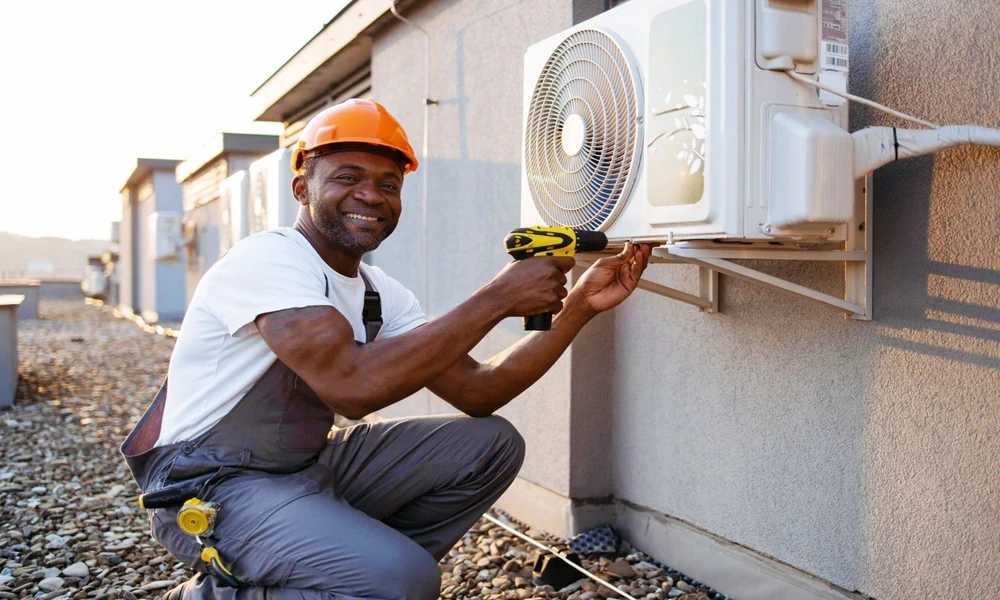
A new air conditioning system can only perform as well as the ductwork that delivers conditioned air throughout the home. Hidden duct issues may reduce airflow, create uneven temperatures, and place unnecessary strain on new equipment from the first day of operation. A careful duct inspection helps identify concerns before installation begins and supports dependable system performance.
Before scheduling AC installation in Aurora, homeowners should evaluate the condition of existing ductwork to confirm it can support the new system. Proper duct sizing, sealed connections, and adequate insulation all contribute to consistent airflow, energy efficiency, and balanced indoor comfort. This article explains the most important ductwork checks that deserve attention before a new air conditioner is installed.
Check Ductwork For Air Leaks And Loose Connections
Small air leaks can waste conditioned air before it reaches living spaces. Gaps around joints, disconnected sections, and worn sealing materials reduce system efficiency and affect room temperatures. Repairing these areas before installation allows the new equipment to operate under the intended airflow conditions.
Inspect Common Leak Locations
The following areas deserve close attention during a duct inspection:
- Supply and return duct joints
- Connections near the air handler
- Branch ducts leading to individual rooms
- Flexible duct connections in attics or crawl spaces
Confirm Proper Duct Size And Airflow Capacity
A properly sized air conditioner depends on ductwork that can carry the required volume of air throughout the home. Ducts that are too narrow may restrict airflow, while poorly planned sections can create pressure problems and uneven cooling. A professional evaluation can confirm whether the existing layout matches the airflow requirements of the new equipment.
| Ductwork Check | What It May Reveal | Why It Matters Before Installation |
|---|---|---|
| Supply duct size | Restricted airflow or limited air delivery | Helps prevent weak cooling in distant rooms |
| Return duct capacity | Inadequate return airflow | Supports stable system pressure and equipment performance |
| Branch duct layout | Uneven air distribution | Helps maintain consistent temperatures across the home |
| Crushed or bent sections | Blocked airflow paths | Reduces strain on the new air conditioner |
| Register and grille placement | Limited air circulation | Supports proper airflow in each occupied room |
Older homes may contain duct systems designed for an HVAC system with different airflow requirements. Measurements of supply ducts, return pathways, branch lines, and registers help identify sections that need correction before installation. Completing these checks supports balanced airflow, steady temperatures, and dependable HVAC system performance.
Examine Duct Insulation And Overall Condition
Duct insulation helps maintain air temperature as conditioned air travels through unconditioned spaces. Damaged insulation may allow cooled air to absorb surrounding heat before it reaches occupied rooms. Replacing worn insulation supports better energy efficiency and more consistent indoor temperatures.
Visible signs of rust, crushed duct sections, or deteriorated materials should also receive attention. Structural damage may restrict airflow or reduce the lifespan of the duct system. Addressing these concerns before AC installation in Aurora helps create a stronger foundation for the new cooling equipment.
Evaluate Accessibility For Future Maintenance
A practical duct layout allows future inspections and maintenance without unnecessary difficulty. Accessible duct sections make it easier to identify leaks, clean components, and complete adjustments when needed. Thoughtful planning today supports long-term system reliability.
Choose An HVAC Contractor in Aurora Who Evaluates Ductwork Before Installation
A qualified HVAC contractor evaluates duct size, airflow, insulation, and connection points before installing new equipment. This process helps identify conditions that could affect system performance, efficiency, and long-term reliability. A complete ductwork assessment also supports proper equipment operation after installation.
Proper ductwork preparation creates a strong foundation for consistent cooling and efficient airflow throughout the home. Addressing hidden duct issues before installation can reduce unnecessary strain on the HVAC system and support dependable indoor comfort. Careful planning before installation helps homeowners protect the value and performance of their new cooling equipment.