
You may have been told you need an implant, then left the office thinking about the surgery, the cost, the healing time, and how you are supposed to fit all of that into normal life. That reaction is common. Tooth loss already affects how you eat, speak, and smile. Adding a long treatment plan on top of that can feel like too much. If you are considering Lower Manhattan dental implants, it helps to know your options and what to expect.
The good news is that implant care does not always have to happen all at once. In many cases, treatment can be spaced out in a way that protects healing, lowers stress, and gives you time to adjust. Staged dental implant treatment often means planning the process in smaller parts, with each step matched to your health, comfort level, and budget. For many people, that makes the whole experience feel more manageable.
Staged implant dentistry gives you room to heal and decide
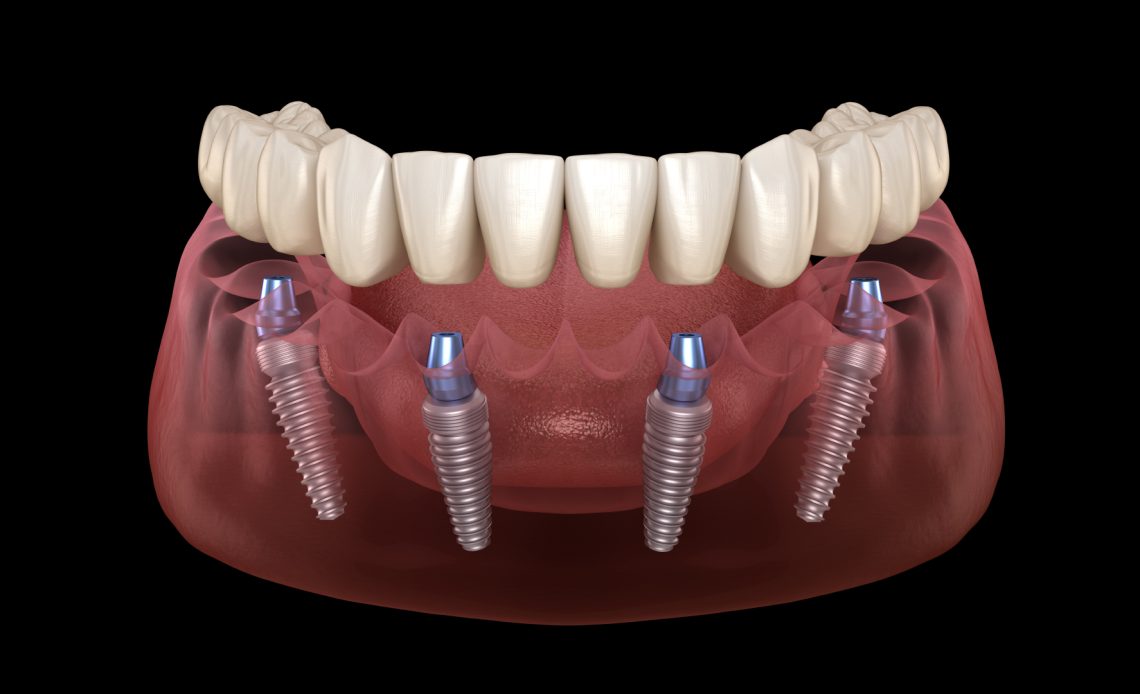
A dental implant is a small post placed in the jaw to support a replacement tooth. The FDA explains what dental implants are and what patients should know, including the need for careful evaluation and follow up. That evaluation matters because implant treatment is not one single event. It is a process, and that process can be divided into stages.
You might start with an exam, imaging, and a treatment plan. If a damaged tooth needs to come out, that may happen first. Some people then need time for the site to heal. Others may need bone grafting before the implant can be placed. After implant placement, the bone usually needs time to fuse with the implant before the final crown, bridge, or denture is attached.
That timeline can sound long, especially when you just want your tooth back. Yet the staged approach often exists for a reason. Your mouth heals better when tissues are stable, inflammation is controlled, and pressure on the new implant is limited early on. Rushing can create more discomfort and more risk.
This also helps emotionally. If dental treatment makes you anxious, breaking it into smaller visits can feel less overwhelming than trying to do everything at once. Instead of bracing for one huge event, you move through a series of clear steps.
Comfort often improves when implant treatment is spread out
Comfort is not only about pain control during the procedure. It is also about recovery, confidence, and predictability. A staged plan gives your dentist a chance to check healing before moving forward. If something needs more time, the plan can adjust without turning into a crisis.
Think about a patient who has worn a removable denture for years and now wants implants. The person may need extractions, grafting, and a new temporary option before the final restoration. Another patient may be missing one tooth, have strong bone, and move through treatment much faster. Both are getting implant dentistry, but their comfort depends on a plan built around their starting point.
For some patients, a temporary denture or partial is part of the process. If that applies to you, MedlinePlus offers a plain language overview of dentures and how they function during tooth replacement. Temporary solutions are not a step backward. They are often the bridge that lets healing happen without leaving you stuck.
Implant procedures in phases can also help financially. Instead of paying for every part at once, many people can budget one stage at a time. That does not make implants cheap, but it can make treatment possible where an all at once plan would feel out of reach.
General and implant dentist care often balances timing, healing, and cost
A dental implant plan usually involves more than placing a post in bone. Gum health, bite pressure, bone support, smoking history, diabetes control, and oral hygiene all affect the result. That is why a general and implant dentist may recommend waiting between steps even when you are eager to finish.
If you are unsure where to start, the National Institute of Dental and Craniofacial Research has guidance on finding dental care. A good consultation should leave you with a sequence, an estimate, and a realistic timeline, not vague promises.
| Stage | What Happens | Comfort Benefit | Planning Benefit | Evaluation and imaging | Exam, X rays, treatment planning | Fewer surprises during treatment | Clear timeline and cost outline | Extraction or site prep | Tooth removal, infection control, possible grafting | Allows tissues to calm down before implant placement | Reduces risk of placing an implant in a poor site | Implant placement | Implant post is placed in the jaw | Focused visit with a defined recovery period | Can be scheduled separately from restorative work | Healing period | Bone fuses to the implant | Protects long term stability | Time to monitor healing before final steps | Final restoration | Crown, bridge, or implant supported denture is attached | Better fit and function after healing | Final design can reflect how your mouth responded |
|---|
Small decisions early in implant dentistry change the whole experience
Ask for a staged treatment map. You need more than a price quote. Ask for each step in order, the healing time between visits, what you will wear during the process, and what might delay the next stage. That alone can lower anxiety because you can see the road ahead.
Be honest about your comfort and budget. If you are nervous, say so. If the total cost feels impossible, say that too. There may be ways to phase care without compromising the result. A dentist cannot build around concerns that stay hidden.
Protect the healing phase. Follow instructions closely after extractions, grafting, or implant placement. Missed cleanings, smoking, grinding, or pushing too hard on a temporary appliance can slow healing and create setbacks. The quiet middle part of treatment is where many long term results are won or lost.
Comfort focused implant dentistry is often a step by step process
If you have been putting this off because the whole thing feels too big, that does not mean you are careless or avoiding your health. It usually means you are trying to make sense of a major decision. Breaking implant treatment into stages can turn one overwhelming problem into a series of manageable steps, and that is often what real comfort looks like.
Reach out to a general and implant dentist and ask for a staged plan built around your needs. A clear timeline, honest guidance, and a pace your body can handle can make moving forward feel possible.