
Key Takeaways
Glassboro plasma donation plays an important role in patient care by supplying plasma components such as immunoglobulins, clotting factors, and albumin used in various medical treatments.
Every donation can contribute to the supply needed by patients with certain immune deficiencies, clotting disorders, severe burns, and other medical conditions.
Choosing a reputable donation center such as ABO Plasma can provide donors with a comfortable environment, modern equipment, and professional assistance throughout the donation process.
Trained staff help promote donor safety by conducting health screenings, monitoring the donation, and providing post-donation guidance.
The donation process generally includes registration, eligibility screening, plasma collection, and a recovery period, making the experience straightforward for qualified donors.
Plasma donation can strengthen community involvement by bringing people together around an important healthcare need and increasing awareness about the value of donation.
Proper hydration, nutrition, and rest after donating can help support recovery and promote a positive donation experience.
How Glassboro Plasma Donation Supports Patient Care
In Glassboro, plasma donation provides an important contribution to the healthcare system. Plasma contains proteins and other components that can be separated and used in medical therapies. For patients who depend on plasma-derived treatments, maintaining an adequate supply can be extremely important.
The Impact of Plasma on Patient Care
Plasma contains components such as immunoglobulins, clotting factors, and albumin that have important medical applications. Plasma-derived products can support patients with certain immune deficiencies, bleeding or clotting disorders, and other serious conditions.
Some important applications include:
- Clotting factor therapies: Plasma-derived clotting factors can help manage certain bleeding disorders.
- Immune deficiency treatments: Immunoglobulins derived from plasma are used in treatments for some immune-related conditions.
- Burn and fluid management: Albumin can play a role in fluid management for certain critically ill patients, including some people with severe burns.
Understanding these applications highlights why consistent plasma donations matter. A single donation becomes part of a larger healthcare supply that can eventually support patients who depend on plasma-derived therapies.
Why Every Donation Can Make a Difference
The value of plasma donation extends beyond the time spent at the donation center. Donors contribute to a system that helps healthcare providers maintain supplies for treatments that may be difficult to replace with alternatives.
For donors, knowing that their contribution supports patient care can provide a meaningful sense of purpose. It also encourages greater awareness of how individual actions can contribute to broader community health.
Key Benefits of Choosing a Plasma Donation Center in Glassboro
Where you donate can influence your overall experience. A professional donation center should prioritize donor safety, comfort, and clear communication throughout the process.
Comfortable Facilities for a Better Donation Experience
A clean and comfortable environment can make plasma donation less intimidating, particularly for first-time donors. Modern equipment, comfortable seating, and organized donation areas can help create a more positive experience.
Important features may include:
- Clean donation areas: A well-maintained environment supports a comfortable experience.
- Comfortable seating: Appropriate donation chairs can help donors relax during collection.
- Supportive staff: Knowledgeable team members can answer questions and provide assistance throughout the visit.
A positive environment may also encourage eligible donors to return regularly and continue contributing to the plasma supply.
Professional Guidance and Donor Safety
Safety should remain a priority before, during, and after plasma collection. Trained professionals can explain the procedure, conduct eligibility screening, and monitor donors throughout the process.
The general process includes:
- Initial screening: Staff review health information and determine whether the individual meets current donation requirements.
- Donation monitoring: Professionals oversee the collection process and respond to concerns if they arise.
- Post-donation support: Donors receive guidance on hydration, food, and recovery following the procedure.
Professional oversight can give first-time donors greater confidence while helping returning donors maintain safe donation habits.
What to Expect During a Glassboro Plasma Donation
Knowing what happens during a donation can make the experience easier to understand. While procedures can vary by facility and individual eligibility, plasma donation generally follows several straightforward stages.
Step-by-Step Breakdown of the Donation Process
A typical visit may involve:
- Registration: Donors provide identification and complete the required paperwork.
- Health screening: Staff evaluate health information and perform the necessary checks to determine eligibility.
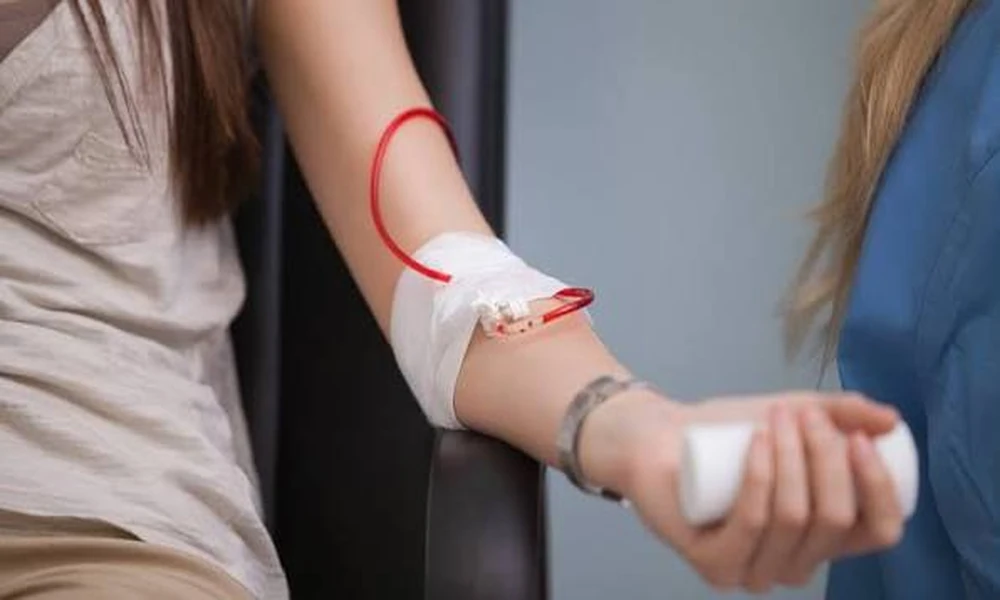
- Plasma collection: Blood is drawn through an appropriate collection system, with plasma separated from other blood components before the remaining components are returned according to the procedure used.
- Recovery: Donors spend time recovering, hydrating, and having a snack before leaving.
The overall appointment can take longer than the actual collection because screening and recovery are also important parts of the process.
Post-Donation Care and Recovery
Taking care of yourself after donation is an important part of the experience. Donors are generally encouraged to follow the center’s specific aftercare instructions.
Helpful practices may include:
- Stay hydrated: Drinking adequate fluids supports recovery.
- Eat appropriately: A nutritious meal or snack can help replenish energy.
- Take it easy: Avoiding strenuous activity immediately after donation may help reduce discomfort.
- Follow staff instructions: Center-specific recommendations should take priority.
These simple measures can help donors feel more comfortable after their appointment.
How Plasma Donation Strengthens the Glassboro Community
The benefits of plasma donation aren’t limited to individual donors and patients. Regular participation can also encourage greater health awareness and community involvement.
Supporting Local Health Awareness
Plasma donation provides an opportunity to educate community members about the role of plasma in modern medicine. Donors who learn more about the process may also encourage friends, relatives, and coworkers to explore whether they are eligible to donate.
Community participation can help:
- Increase awareness about plasma-derived therapies.
- Encourage eligible individuals to learn about donation.
- Promote conversations about healthcare and volunteerism.
- Build a stronger culture of community support.
When more people understand why plasma is needed, they may be more willing to consider becoming donors themselves.
Building Connections Through Donation
Plasma donation can create a shared sense of purpose. Donors may never meet the patients who ultimately benefit from plasma-derived products, but their contributions still connect them to a larger healthcare network.
This connection can make donation feel more meaningful. What begins as a personal decision can become a recurring way to contribute to the well-being of others.
Ultimately, Glassboro plasma donation represents more than a routine appointment. It gives eligible individuals an opportunity to contribute to an important healthcare resource while participating in a community-focused effort.
FAQ
What is plasma used for?
Plasma contains proteins and other components used to produce therapies for various medical conditions. These include immunoglobulins, clotting factor products, and albumin-based treatments.
Who can donate plasma in Glassboro?
Eligibility depends on factors such as age, weight, health history, medications, identification, and other requirements established by the donation center and applicable regulations. Potential donors should check the current requirements before scheduling a donation.
How does a plasma donation differ from donating whole blood?
During plasma donation, plasma is separated from the blood while other blood components may be returned to the donor through the collection system. Whole-blood donation collects the blood without separating and returning individual components during the donation.
How long does a plasma donation appointment take?
The total appointment time varies depending on screening, collection, and recovery. Donors should allow enough time for the entire visit rather than focusing only on the collection portion.
What should I do before donating plasma?
Follow the donation center’s instructions regarding hydration, nutrition, identification, medications, and eligibility. Arriving well-rested and adequately hydrated may also help make the experience more comfortable.
What should I do after donating plasma?
Drink fluids, eat an appropriate snack or meal, and follow the donation center’s aftercare instructions. Donors should also avoid strenuous activities if advised to do so.
Is plasma donation safe?
Plasma donation is generally considered safe for eligible donors when performed at an appropriate donation facility using established procedures. Potential donors should disclose relevant health information during screening and follow professional guidance.
Why is regular plasma donation important?
Plasma-derived therapies can be important for patients with certain serious medical conditions. Regular donations from eligible individuals help support a consistent supply and contribute to ongoing patient care.
Useful Resources
- American Red Cross – Provides information about blood and plasma donation, donation procedures, and community health implications.
- Plasma Resources – Offers educational details regarding the significance of plasma donation and its medical applications.
- National Plasma Donation Association – Shares guidelines, research, and updates related to plasma donation and its advantages.
- Healthline – Features articles and information about health benefits, risks, and the scientific aspects of plasma donation.
- WebMD – Offers reliable medical information about plasma donation, including its procedures and health considerations.
- National Institutes of Health (NIH) – Contains research and news on the medical benefits of blood and plasma, including recent studies.
- Mayo Clinic – Provides trustworthy insights regarding the plasma donation process and its health impacts.
- Plasma Treatment Technologies – Delivers educational perspectives on plasma science and innovative treatment advancements.