
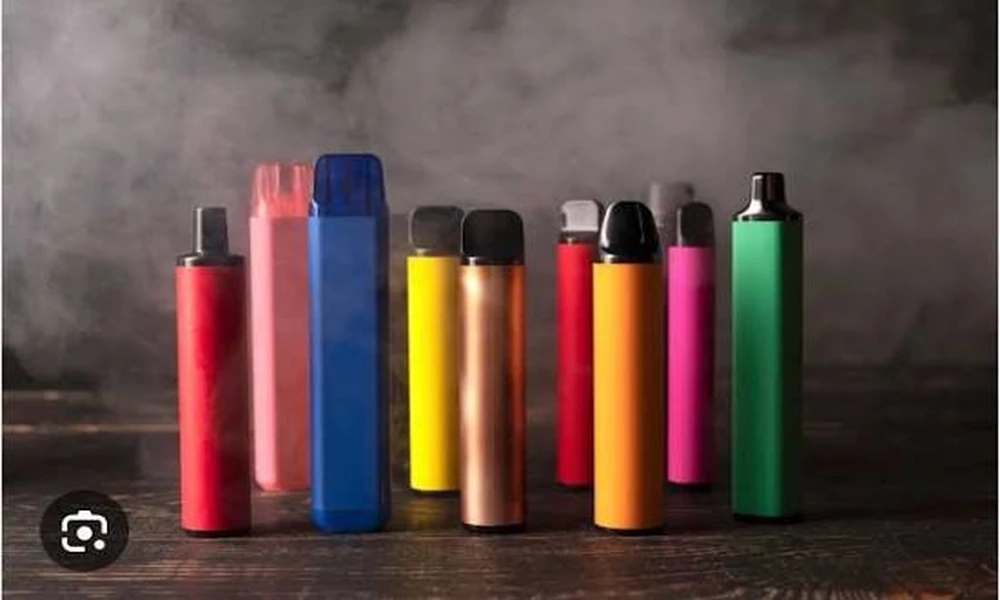
Every prefilled cartridge works as a compact engineering system where each internal part carries weight in what the user tastes and feels. Heating cores, air channels, power flow and chamber seals interact from the first pull onward, and small design differences separate one device from another. Buyers comparing the best thca carts often study hardware construction before flavour notes because strong oil cannot fix weak components. When heat spreads unevenly, or air moves poorly inside the device, vapour loses smoothness no matter what fills the tank, making component design worth close attention from anyone weighing options.
Heating element behaviour
Ceramic dominates modern heating cores due to its even thermal spread. Oil resting against ceramic absorbs warmth gradually, which limits scorching and protects terpene character across longer sessions. Quartz reaches temperature faster, though its rapid ramp can push edge zones hotter than the centre, altering taste as sessions stretch on.
Porosity shapes performance, too. Highly porous ceramic pulls oil into the element itself, keeping saturation steady between pulls. Low porosity cores depend more heavily upon gravity feed, so thicker extracts sometimes lag behind demand during faster use. Repeated heating cycles slowly change surface structure as well, shifting flavour output over weeks of regular use and gradually softening peak performance.
Air path sequence
Air follows a defined route from intake to mouthpiece, and each stage adjusts what reaches the user.
- Intake holes pull outside air into the base of the cartridge.
- Air passes across or around the heating core, collecting vaporised oil.
- Vapour rises in the central chimney while beginning to cool.
- Chamber walls absorb some warmth, adjusting density before exit.
- Mouthpiece width sets the final resistance felt during inhalation.
Longer routes give vapour more cooling time, while shorter paths deliver warmer, denser output. Designers tune each stage against expected oil thickness, since a channel built for thin distillate may flood when paired against heavier extract styles.
Power delivery consistency
Stable voltage keeps coil temperature inside its intended range, producing repeatable vapour from one pull to another. Several conditions influence this stability across daily use.
- Worn threading between the cartridge and the battery interrupts current flow.
- Ageing battery cells deliver weaker output as the charge drops.
- Preheat functions soften thick oil before full activation begins.
- Fixed output devices skip warming stages, leaving early pulls thin.
Thick extracts respond well when warmth builds gradually, since viscosity falls as temperature rises and oil reaches its saturation point before demand peaks. Pairing each cartridge against suitable output settings keeps sessions predictable from start to finish.
Seal and chamber integrity
Gasket quality around the fill chamber decides whether oil stays contained through months of use. Tight seals stop slow seepage into airflow channels, which otherwise causes gurgling draws and wasted extract. Certain rubber compounds also degrade faster when exposed to terpene-rich formulations, so material selection matters during production.
Wall thickness plays its own part in daily performance. Thicker glass or metal retains warmth between draws and keeps oil at workable viscosity, while thin walls shed heat quickly and require longer preheat cycles before output stabilises fully.
Cartridge construction sets the ceiling for what any extract can achieve. Well-matched components working together turn quality oil into consistent vapour, which places engineering choices on equal footing against the formulation itself.