
Let’s play a game. Picture two pairs of sandals sitting side by side. One costs less than your morning coffee run for a week. The other costs what you’d spend on a nice dinner out. Six months later, one is a crumpled memory in a landfill. The other is still on your feet, looking better with every wear. This is the premium versus fast fashion footwear debate, and it’s time we broke it down without the jargon.
Here’s a quick breakdown of what actually separates premium footwear from fast fashion, from material and fit to cost per wear and everyday styling.
1. The Material Reality Check
Fast fashion footwear is built on speed. Cheap synthetics, glued soles, and construction designed to survive exactly as long as the trend does. Premium footwear takes the opposite approach. Natural materials, considered construction, and design that’s meant to be resoled and repaired rather than replaced. This is where the difference between disposable and durable really starts.
2. Fit Isn’t an Afterthought
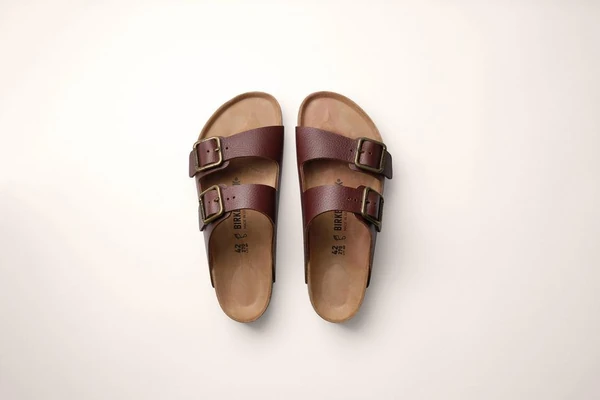
Ever wondered why some shoes feel like a hug and others feel like a negotiation? Fast fashion brands often work off a single generic last, prioritising output over fit. Premium brands obsess over footbeds, arch support, and how weight distributes across your stride. Take Birkenstock’s Arizona, the classic two strap silhouette that’s become shorthand for comfortable dressing done right. It’s a small design choice with a big payoff: comfort that supports your day rather than fighting it.
3. The Style Longevity Test
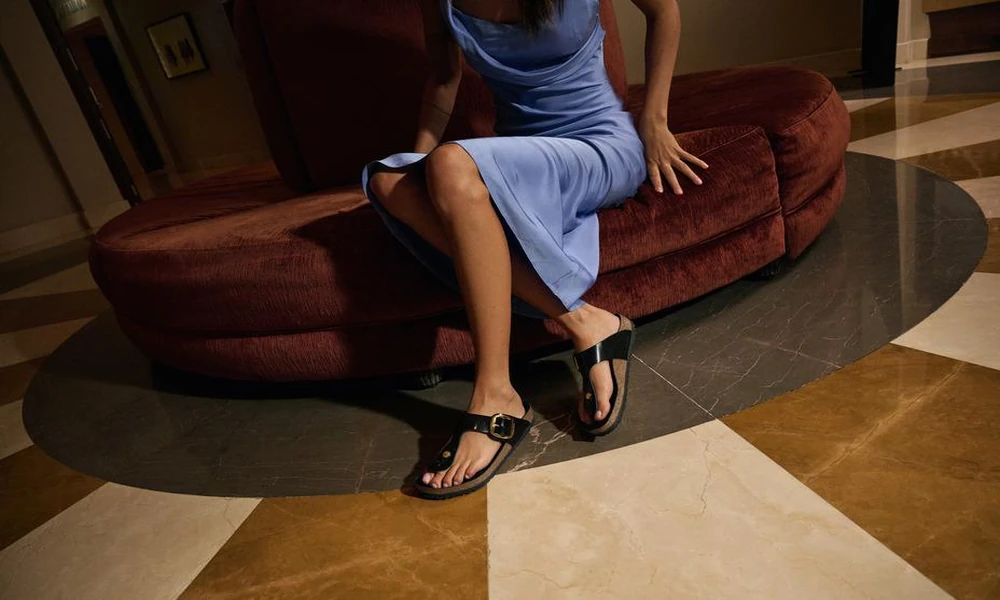
Trends move fast. Blink and last season’s “it” shoe is this season’s clearance rack filler. Classic footwear, by contrast, doesn’t chase seasons. A well designed silhouette works with jeans today and a summer dress next year. Look at the Gizeh, a toe post sandal that has quietly become a wardrobe staple precisely because it doesn’t try too hard. That’s the whole point of classic footwear: it outlives the algorithm.
4. Cost Per Wear, Not Cost Per Purchase
Here’s the maths nobody teaches in school. A fast fashion shoe at a lower price, worn ten times before falling apart, costs more per wear than a well made pair worn for years. If you’re hunting for the best men’s footwear or the best women’s footwear for your wardrobe, the sticker price is only half the story. Divide by the number of wears, and premium usually wins.
5. Versatility Across Occasions
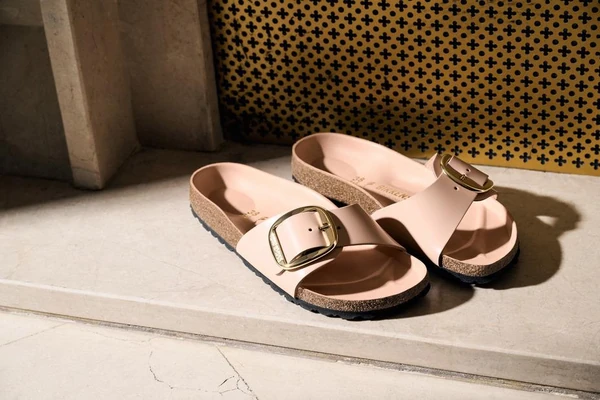
The best men’s footwear and women’s footwear don’t ask you to dress around them, they adapt to you. A double strap style like the Mayari works equally well with tailored trousers or breezy co-ords. Meanwhile, a closed toe silhouette like the Boston bridges the gap between loafer and clog, proving that premium design can flex across seasons and settings without losing its identity.
6. The Everyday Confidence Factor
There’s something to be said for shoes that simply work, day after day, without demanding attention or repair. That quiet reliability is what separates classic footwearfrom trend driven pieces. It’s not about status. It’s about not having to think about your feet while you get on with your day.
The Takeaway
Fast fashion footwear will always be tempting for its price tag and instant gratification. But premium footwear plays a longer game, one built on fit, function, and design that doesn’t expire with the season. Whether you’re shopping for thebest men’s footwear or building a women’s footwear edit that lasts, the real luxury isn’t the price. It’s not having to think twice about your shoes. In the end, that’s the real difference between a purchase and an investment.